Mold Inspection & Remediation in Saint John
Black spots on the attic sheathing, mold behind the basement drywall, a crawl space that smells musty, or damage left after a leak. Send us the details and a specialist who works in your area inspects, finds the moisture source and puts the cleanup in a written quote.
Get a Saniclair quote in Saint John
Fill out the quote form with your city and what you are seeing. A local specialist follows up to book an inspection and give you a written quote. Free to request, no obligation.
- Moisture source first
- Written quotes
- Homes and small buildings
- Attics, basements and crawl spaces
New Brunswick has a damp maritime climate with spring flooding, older basements and cold-weather condensation. Homes near rivers and the coast often have musty cellars, and ice dams wet attics.
Eight Mold and Moisture Services in Saint John
From a patch in a bathroom to a whole attic, every job starts with the same question: where is the moisture coming from? Removing mold without fixing that only buys time.
Mold Inspection & Assessment in Saint John
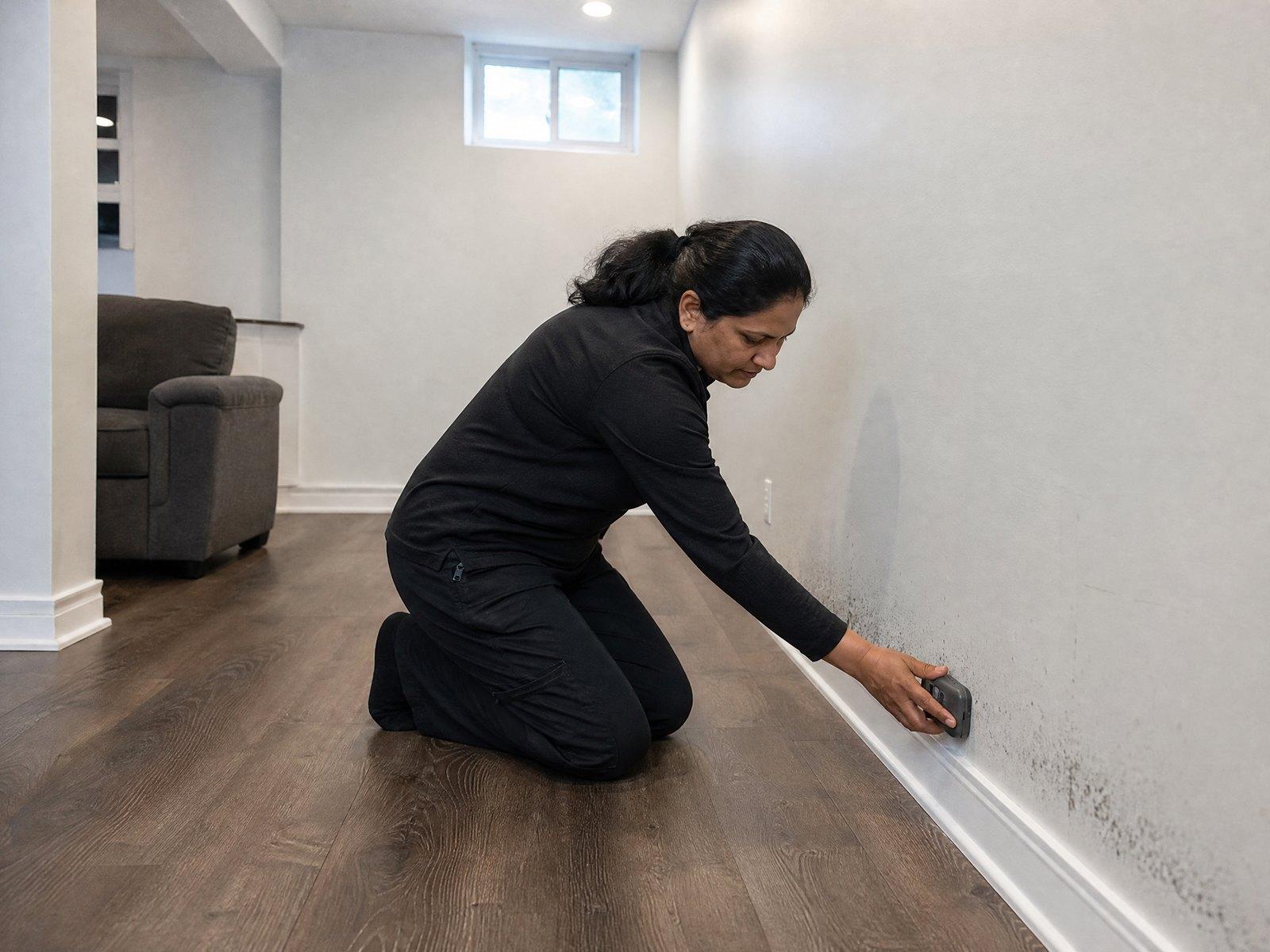
A visual inspection with moisture readings to find where mold is growing, how far it has spread and what is feeding it.
An inspection covers the places where mold usually starts: basements, attics, bathrooms, around windows and under sinks. Moisture meters, and sometimes a thermal camera, help find damp spots behind finished surfaces. The result should be a clear picture of the affected areas, the likely moisture source and what the cleanup needs to include, so the quote is based on what is actually there.
Mold Removal & Remediation in Saint John
Containment, removal of damaged materials and cleaning of surfaces that can be saved, with the air filtered while the work goes on.
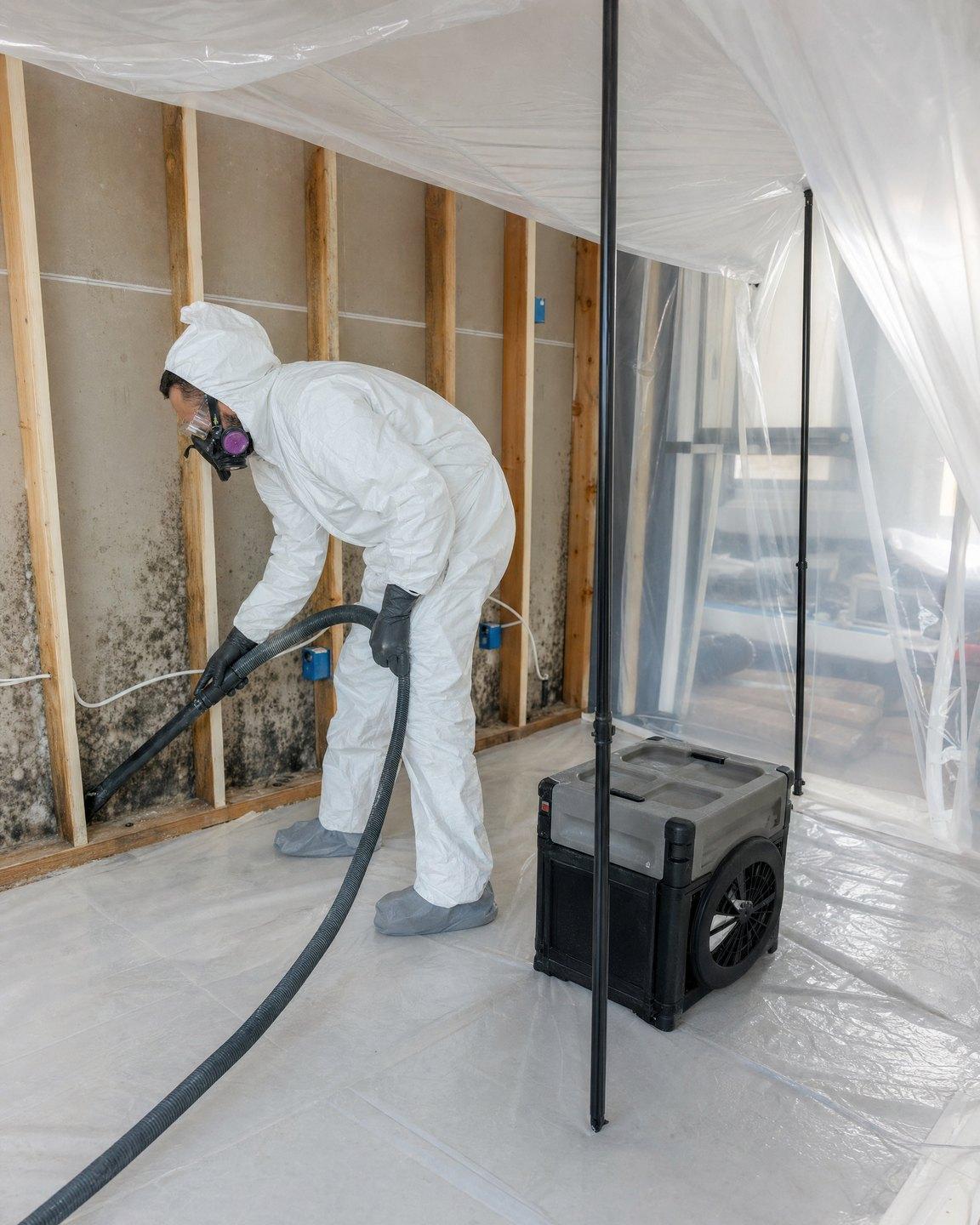
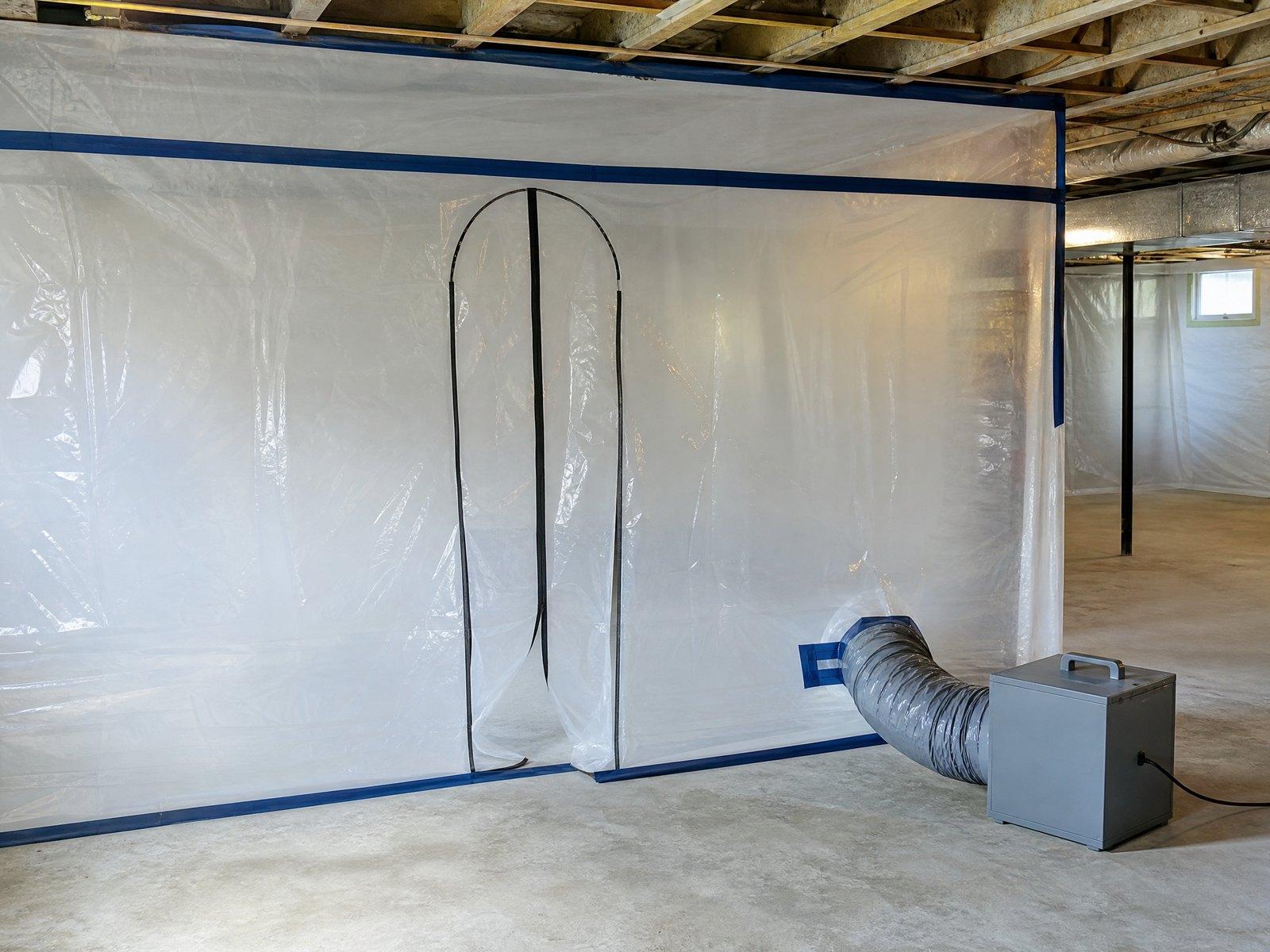
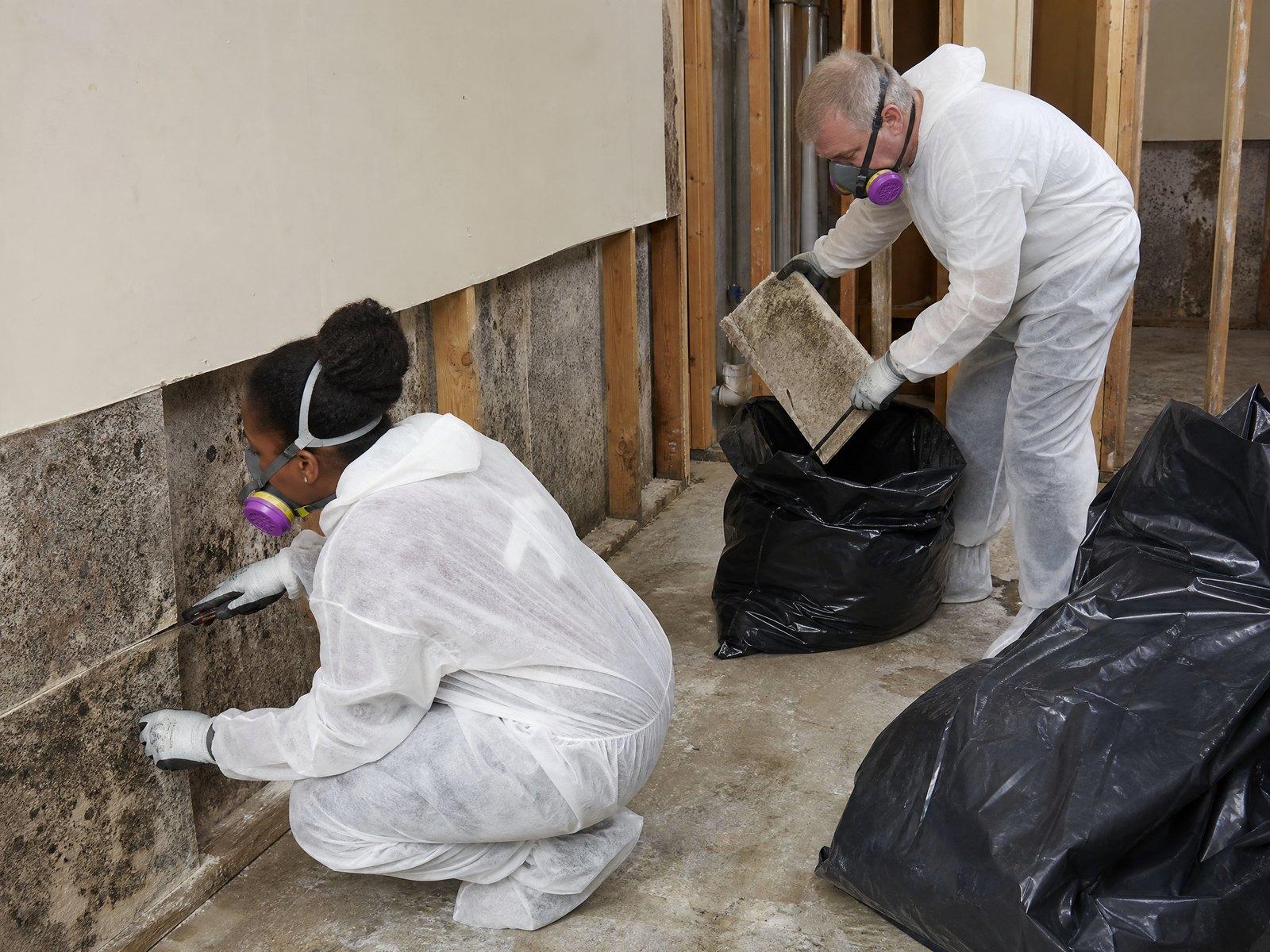
Remediation means physically removing the mold, not painting over it or spraying it and walking away. The work area is closed off with plastic sheeting and kept under negative air pressure so spores do not spread to the rest of the house. Badly affected porous materials such as drywall, insulation and carpet are cut out and bagged. Wood and concrete are cleaned, HEPA vacuumed and sometimes sanded. The area is left clean and dry before anything is rebuilt.
Attic Mold Removal in Saint John
Cleaning mold off roof sheathing and rafters, and fixing the air leaks or ventilation problems that caused it.
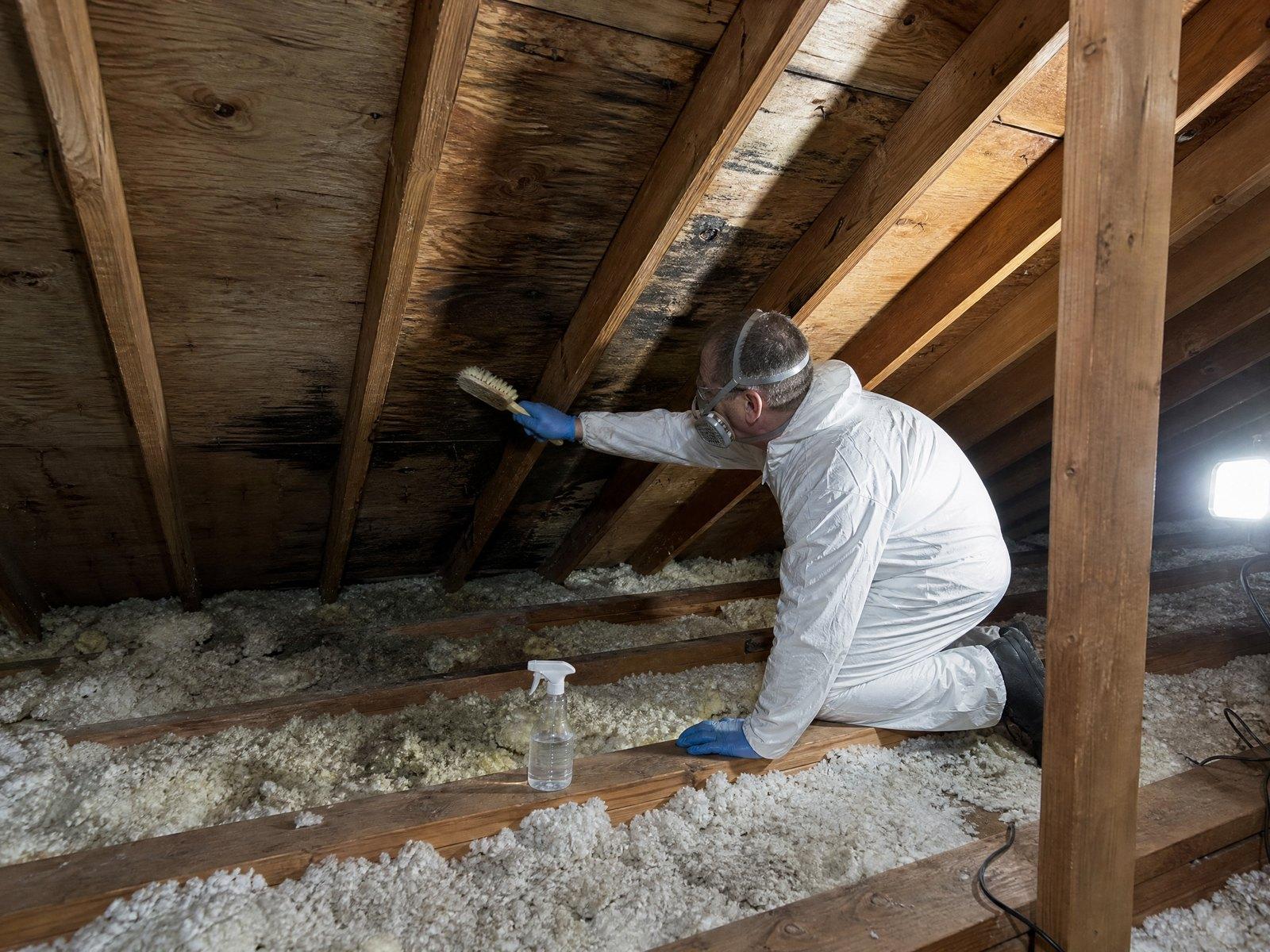
Attic mold usually shows up as dark staining on the underside of the roof sheathing, often heaviest on the north side. The cause is almost always warm, humid air from the house leaking into a cold attic, combined with blocked soffit vents or bathroom fans that vent into the attic. Sheathing can be cleaned by scrubbing, sanding, or soda or dry ice blasting. Unless the air leaks and the ventilation are fixed, the mold comes back.
Basement Mold Removal in Saint John
Removing mold from basement walls, framing, insulation and finished areas, and dealing with the dampness behind it.
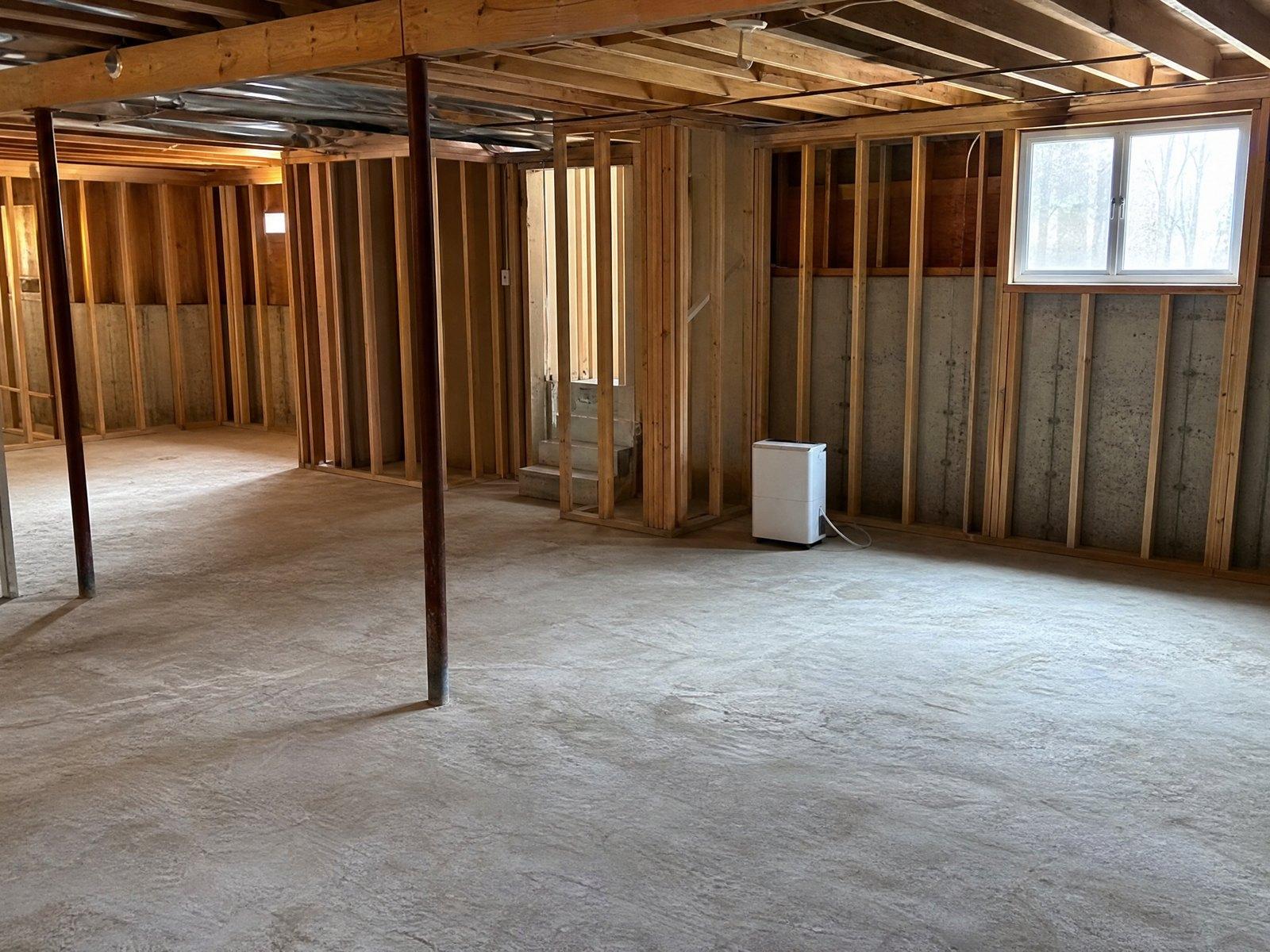
Basements stay cool and often damp, which makes them the most common place for mold in a house. Finished basements can hide it behind drywall, carpet and insulation for years. Removal usually means opening up the affected walls, taking out wet materials, cleaning the framing and concrete, and drying everything before it is closed up again. The quote should also say where the water comes from: a foundation leak, condensation or a plumbing problem.
Crawl Space Mold Treatment in Saint John
Cleaning mold off joists and subfloor in damp crawl spaces, with options to control the moisture afterward.
Crawl spaces with bare dirt floors and open vents often run at high humidity, and mold grows on the joists and the underside of the subfloor. Treatment means cleaning the wood, removing wet insulation and debris, then controlling the moisture with a vapour barrier, sealing, or a dehumidifier. Air from the crawl space rises into the living space, so this matters for the whole house.
Mold After a Leak or Flood in Saint John
Drying and mold removal after a burst pipe, roof leak, sewer backup or flooded basement.
Mold can start growing on wet drywall, carpet and wood within a day or two. After a leak or a flood, the priority is drying the structure properly with air movers and dehumidifiers and removing materials that cannot be dried. If mold has already started, affected materials are removed under containment. If you are making an insurance claim, ask for photos and a written scope you can send to your adjuster.
Indoor Air Quality & Mold Testing in Saint John
Air and surface samples analyzed by a lab, to look for hidden mold or confirm that a cleanup worked.
Testing is useful when you smell mold but cannot see it, when someone in the house has symptoms, or to confirm that a cleanup worked. Indoor air samples are compared with a sample taken outside, and swabs or tape lifts show what is growing on a specific surface. The samples go to a lab for analysis. Testing does not replace an inspection, and when mold is plainly visible it is often not needed before removal.
Moisture Control & Prevention in Saint John
Dehumidifiers, bathroom and attic ventilation, vapour barriers and small fixes that keep mold from coming back.
Mold needs moisture, so lasting results depend on what happens after the cleanup. Depending on the cause, that can mean a dehumidifier in the basement, bathroom fans vented outside, better attic ventilation and air sealing, a vapour barrier in the crawl space, or fixing grading and downspouts. The quote should list the mold removal and the moisture fix separately so you can see the cost of each.
How Mold Work Should Be Handled
Moisture Source First
Mold grows because of a leak, condensation or poor ventilation. The inspection looks for that cause, and the quote says how to deal with it.
Contained Work
Disturbing mold releases spores. Plastic sheeting, negative air and HEPA filtration keep them out of the rest of the house.
Removal, Not Cover-Up
Painting over mold or spraying it and leaving does not solve anything. Damaged materials come out, and what stays is cleaned.
Written Scope
Affected areas, materials to remove, containment, drying, any testing and the rebuild, all written down before work starts.
Homes and Small Buildings
Single-family homes, condos, duplexes, triplexes, small apartment buildings and small commercial properties.
Form Only, Your Pace
Send the details when it suits you. Nobody calls you before you ask for a quote.
Five Steps, Every Job.
Request
You describe what you are seeing or smelling in the quote form, where it is, and when you first noticed it.
Inspect
A local specialist checks the affected areas and takes moisture readings to see how far the mold goes.
Diagnose
Find the moisture source. A roof leak, condensation, poor ventilation and flooding each call for a different fix.
Quote
Written quote with the areas, containment, what gets removed, drying, any testing and what gets rebuilt.
Remediate
Work done to the agreed scope, the area left clean and dry, then a walkthrough with you.
Mold Inspection & Remediation in Saint John, NB
Mold requests from Saint John go to specialists who work locally, so the inspection accounts for the humidity, winters and housing stock in your part of Canada. Whether it is a patch in the attic, a damp basement or a musty smell you cannot trace, start with the quote form.
Saniclair Near Saint John
Saniclair Mold Remediation in Saint John — Frequently Asked Questions
Can I clean mold myself?
Small patches, under about 10 square feet (1 square metre), on hard surfaces like tile, a window frame or a shower caulk line can usually be cleaned with soap and water while wearing gloves and a mask. Larger areas, mold inside walls, in insulation or in the attic, or mold that keeps coming back are worth having assessed. Bleach is a poor choice on drywall and wood: it does not reach into the material and it adds moisture.
Is black mold dangerous?
Many molds look black, and colour alone does not tell you the species or the risk. Any mold growing indoors can irritate the eyes, nose and lungs, and it is a bigger concern for people with asthma, allergies or weakened immune systems, young children and older adults. The approach is the same whatever the colour: fix the moisture and remove the mold safely.
Do I need mold testing?
Not always. When mold is visible, the inspection and moisture readings usually tell you what you need to know, and testing adds cost without changing the plan. Testing is useful when there is a musty smell but nothing visible, when someone in the house has health concerns, during a home sale, or to confirm that a cleanup worked.
How much does mold removal cost?
It depends on the size of the affected area, where it is (an open basement wall is easier than an attic or a crawl space), how much material has to be removed, the containment needed, any testing, and what has to be rebuilt afterward. A small bathroom job and a full attic are very different projects. The only reliable number is a written quote after an inspection.
Why does mold keep coming back after cleaning?
Because the moisture is still there. Attic mold usually comes from warm, humid air leaking out of the house and poor attic ventilation. Basement mold comes from foundation leaks, condensation or high humidity. Unless the source is fixed, cleaned surfaces get recolonized. A proper quote covers both the removal and the moisture problem.
Can we stay home during mold removal?
Usually, yes. The work area is sealed off with plastic and kept under negative pressure, so air is drawn out through filters instead of into the house. For large jobs, or if someone in the home has a respiratory condition, you may prefer to stay elsewhere for a day or two. The specialist can tell you what to expect for your job.
Do you handle condos, rentals and small commercial buildings?
Yes. Owners of condos, duplexes, triplexes, small apartment buildings and small commercial properties are welcome to request a quote. Mention the building type and whether tenants live there so the right specialist reviews it.
How do I get a quote?
Fill out the quote form with your city, the service you think you need, and what you are seeing or smelling, including where it is and roughly how big the area looks. A specialist who works in your area follows up to set up an inspection. Requesting a quote is free and there is no obligation to go ahead.
Mold or a Musty Smell? Get It Looked At.
Fill out the quote form with your city and what you are seeing. A local specialist follows up to book an inspection and give you a written quote. Free to request, no obligation.