Mold Testing: When Air and Surface Samples Help
Mold testing means taking samples and having a lab identify and count what is there. An air sample draws a measured volume of air through a cassette. A surface sample uses a swab or tape lift on a stain. Results are compared with an outdoor sample taken at the same time, because outdoor air always carries some spores.
Describe the job and add your city. Free to request, no obligation.
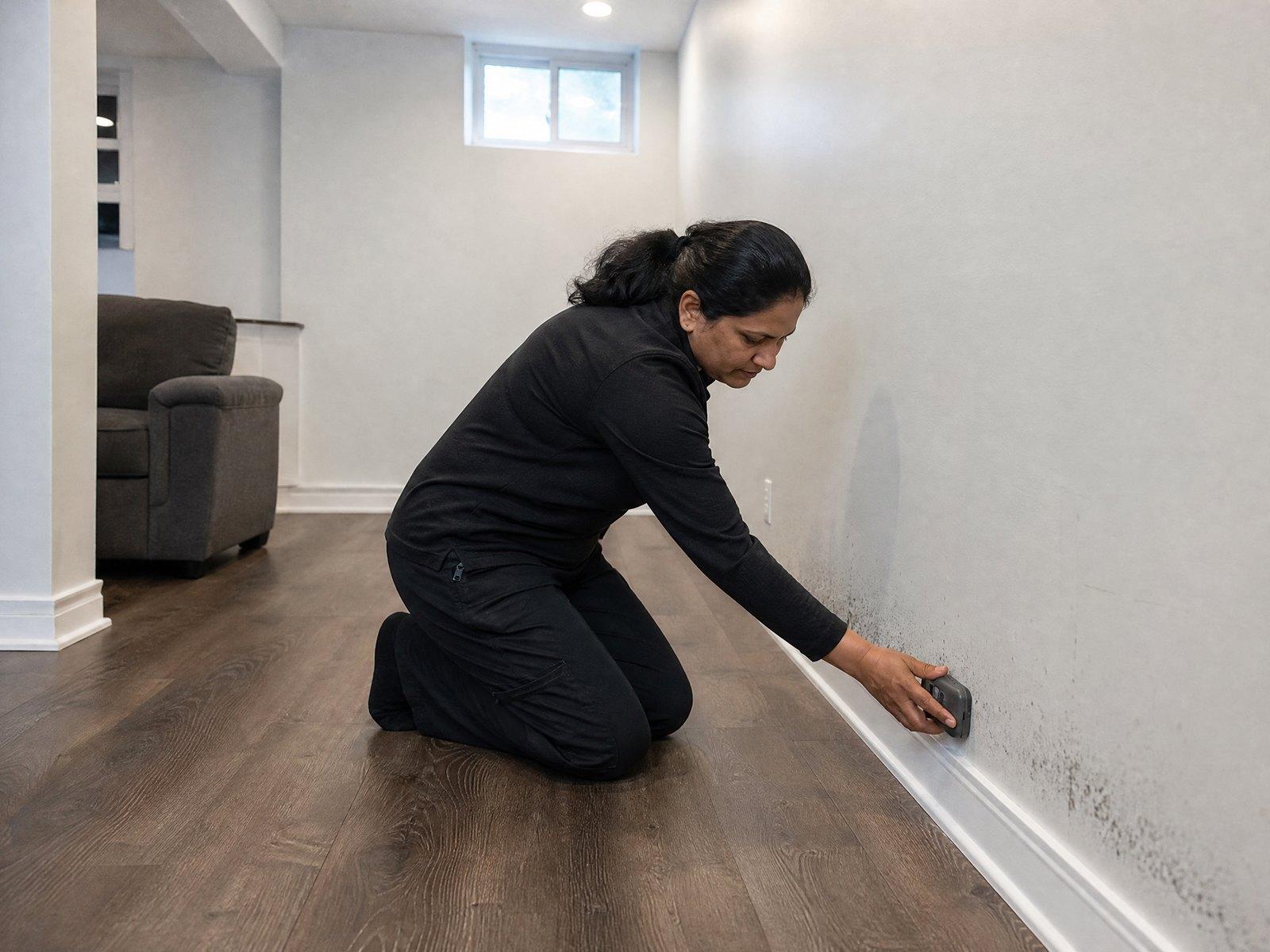
Testing is useful in particular situations: you smell mold but cannot see it, occupants have symptoms that improve when away from the building, a cleanup has been finished and you want to confirm it worked, or a legal or rental dispute needs documentation. It is less useful when mold is plainly visible, since the next step is cleanup either way.
Samples tell you about one place and one moment. A sensible plan places them where the inspection suggests, and reads the results alongside moisture readings and the building's history.
What the work includes
- A short inspection to decide where samples are useful
- Outdoor control sample for comparison
- Indoor air samples in selected rooms
- Swab, tape or bulk samples from stained surfaces
- Chain of custody and delivery to a laboratory
- Lab report listing mold types and counts
- Plain-language explanation of what the numbers mean
- Advice on next steps: cleanup, monitoring or no action
Situations where testing adds something
A strong musty smell with no visible mold
Symptoms that ease when you leave home
A cleanup has finished and you want confirmation
A tenant dispute or sale that needs documents
Hidden leaks that you cannot open up
Schools, small offices or daycares in older buildings
How the work goes, step by step
Describe the situation
Share why testing is wanted and any earlier results.
Plan the samples
Locations are chosen from a short walkthrough and moisture readings.
Take samples
Outdoor and indoor samples are collected under similar conditions.
Lab analysis
Samples are sent to a lab, and results come back with counts and types.
Review results
The report is explained and tied to a next step.
What changes the price
- Number of samples
- Each air or surface sample is sent to the lab and priced separately.
- Lab analysis type
- Standard counts cost less than additional analysis methods.
- Inspection included
- An inspection with sampling costs more than a sample-only visit.
- Building size
- More rooms and floors can require more samples.
- Turnaround
- Rush lab results usually cost extra.
What a good quote spells out
- Why each sample location was chosen
- An outdoor control sample for every round of air testing
- The lab that analyzes the samples and the report format
- Whether the person testing is independent of any cleanup quote
- A written explanation of the results, not just a table of counts
Indoor Air Quality & Mold Testing: questions people ask
Is testing needed before mold removal?
Not when mold is plainly visible, since the cleanup is needed regardless. Testing helps with hidden or uncertain cases.
Are home mold test kits reliable?
They can show that spores are present, which is normal, but they rarely say how much or from where. A professional sampling plan with an outdoor control is more informative.
What is clearance testing?
A sample taken after cleanup to confirm that the area is clean compared with outdoors, before it is rebuilt.
Can testing say which mold is dangerous?
A lab can identify types, but health effects depend on the person and the exposure. Results are used to guide cleanup, not to rank risk.
Other Saniclair services
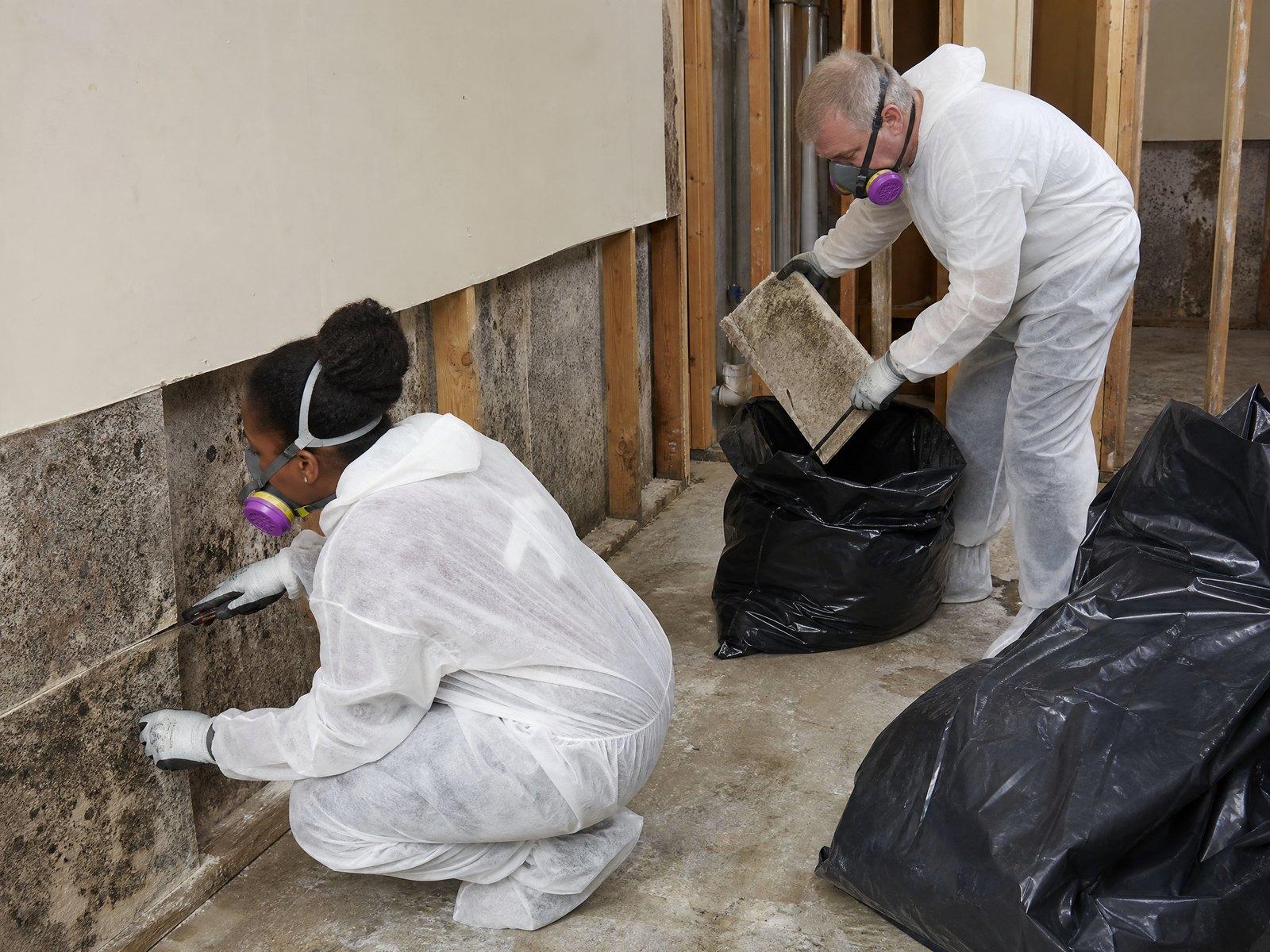
Mold or a Musty Smell? Get It Looked At.
Fill out the quote form with your city and what you are seeing. A local specialist follows up to book an inspection and give you a written quote. Free to request, no obligation.
Request a free quote →