Mold Inspection: Finding the Mold and the Moisture Behind It
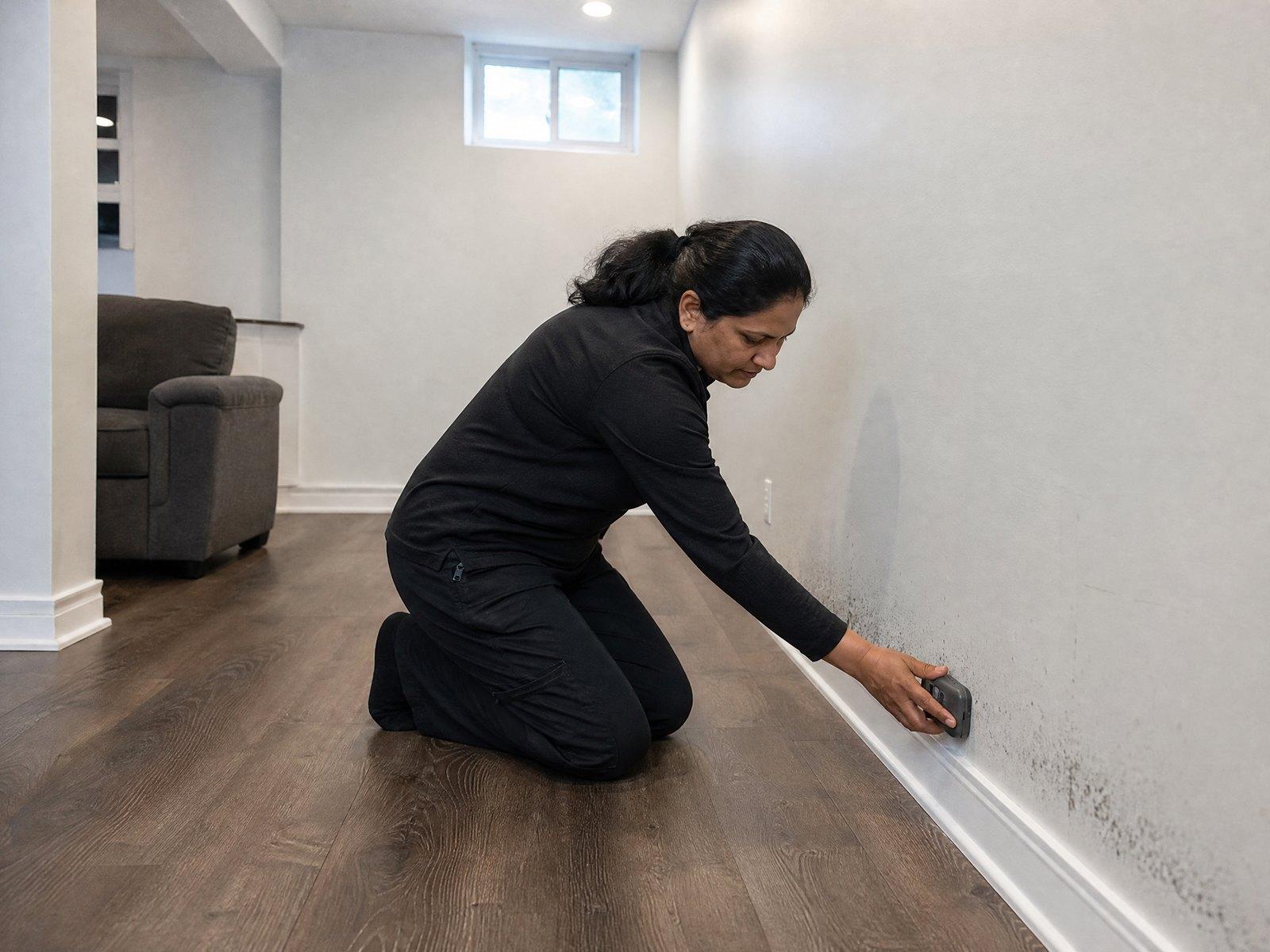
A mold inspection answers three questions: is there mold, how much of the building is affected, and what is keeping that area damp. It is a visual survey backed by moisture readings, usually with a moisture meter and sometimes a thermal camera, and it ends in a written report that a cleanup can be quoted from.
Describe the job and add your city. Free to request, no obligation.
Mold needs water, so the inspector spends more time looking for moisture than for spores. That means checking under sinks, around tubs and windows, along basement walls, at the underside of the roof sheathing and in the crawl space, then tracing stains, odours and soft materials back to a leak, a condensation problem or a poorly vented fan. A patch on the ceiling can be a roof leak, a plumbing drip or warm air condensing on a cold surface, and the fix differs for each.
Inspection is separate from cleanup. Many owners find it useful to have the findings in writing before asking for removal quotes, because every company then prices the same scope instead of guessing.
What the work includes
- Interview about odours, past leaks, symptoms and when the problem appears
- Visual survey of attic, basement or crawl space, bathrooms, kitchen and exterior walls
- Moisture meter readings on drywall, wood and concrete
- Thermal imaging where cold or wet surfaces are suspected
- Photos of affected areas with approximate sizes
- Notes on likely moisture sources: plumbing, roof, grading, condensation
- Advice on whether lab sampling would add useful information
- Written report with recommended next steps
Reasons to book an inspection
A musty smell that comes back after cleaning, strongest in one room or the basement
Dark spots on a ceiling, around a window or along a baseboard
Peeling paint, bubbling drywall or white powder on a concrete wall
A recent leak, flood, roof repair or sewer backup
You are buying, selling or renting out a home and want the damp areas checked
Allergy-like symptoms that ease when you are out of the house
How the work goes, step by step
Describe the problem
Send photos, the age of the building and any leaks or smells, plus where in the home they are noticed.
Walk-through
The inspector goes through the building, room by room, with meters and a flashlight.
Measure moisture
Readings are taken on suspicious walls, floors and framing, and thermal images where they help.
Report
You receive findings, photos and likely sources of moisture, with a scope that can be quoted.
Decide next steps
The report guides whether to fix a leak, clean up mold, test, or simply monitor.
What changes the price
- Size of the building
- A small condo takes less time than a large house with an attic, basement and crawl space.
- Areas that need access
- Tight attic hatches, crawl spaces and finished basements add time.
- Equipment used
- Thermal imaging and hygrometer logging add cost over a meter-only visit.
- Lab samples
- Each air or surface sample is sent to a lab and priced on top of the inspection.
- Report detail
- A short summary and a full report with photos and a scope of work are priced differently.
What a good quote spells out
- A written report with photos and locations, not only a verbal summary
- The moisture source named for each affected area, or a clear note that it could not be found
- Whether the inspection covers the attic, basement or crawl space, or only the rooms you pointed out
- If the inspector also sells cleanup, how the report scope is separated from the removal quote
- What lab testing, if any, was recommended and why
Mold Inspection & Assessment: questions people ask
What is the difference between a mold inspection and mold testing?
An inspection looks at the building and measures moisture to find where mold is and why. Testing takes air or surface samples for a lab. Inspection comes first, and testing is added when it answers a question the inspection could not.
Can mold be hidden behind walls?
Yes. Moisture meters and thermal cameras help find damp areas behind finished surfaces, and sometimes a small opening is needed to look inside a wall or ceiling.
Do all musty smells mean there is mold?
A musty smell suggests damp materials, and mold is a common cause. The inspection looks for the source of the damp, whether or not a colony is visible.
Should a mold inspection be done before buying a house?
It is a reasonable step for homes with basements, older roofs or signs of past leaks. Findings can inform negotiation and give a scope for any cleanup.
Other Saniclair services
Mold or a Musty Smell? Get It Looked At.
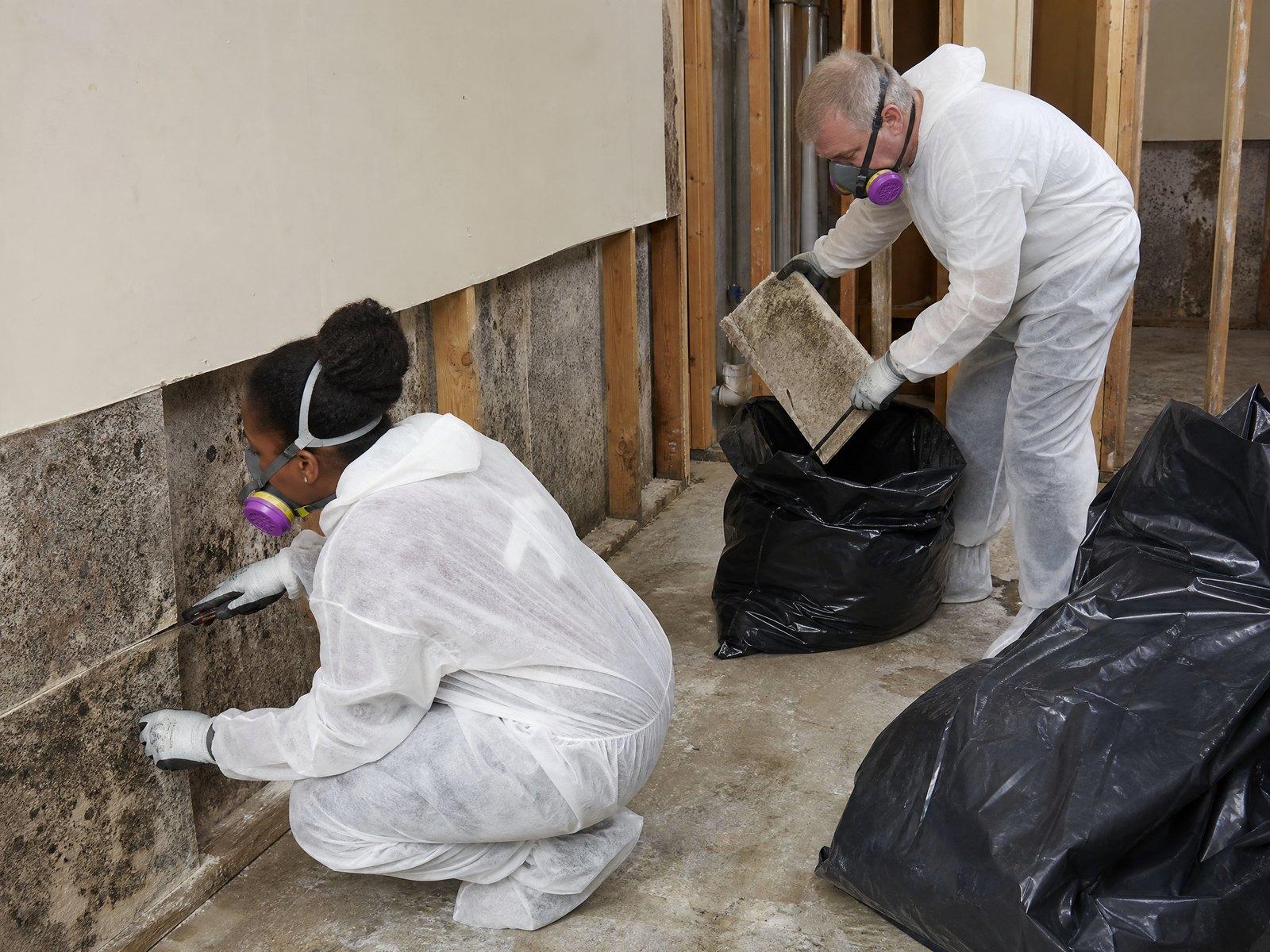
Fill out the quote form with your city and what you are seeing. A local specialist follows up to book an inspection and give you a written quote. Free to request, no obligation.
Request a free quote →