Mold Prevention: Keeping Humidity and Moisture Under Control
Mold needs moisture, so lasting results depend on what is done after a cleanup. Moisture control means finding why a space is damp and choosing a measure that suits the cause, whether that is humid air, a leak, poor drainage or condensation on cold surfaces.
Describe the job and add your city. Free to request, no obligation.
The usual fixes are simple and low-cost compared with cleaning the same mold twice. A dehumidifier in a basement. A bathroom fan that vents outside and runs long enough. A kitchen hood that actually exhausts. A vapour barrier or ground cover in a crawl space. Gutters, downspouts and grading that carry rain away from the foundation. Air sealing in the attic so warm indoor air does not reach cold boards.
A good plan lists the mold removal and the moisture work as separate items, so you can see the cost of each and the reason for it.
What the work includes
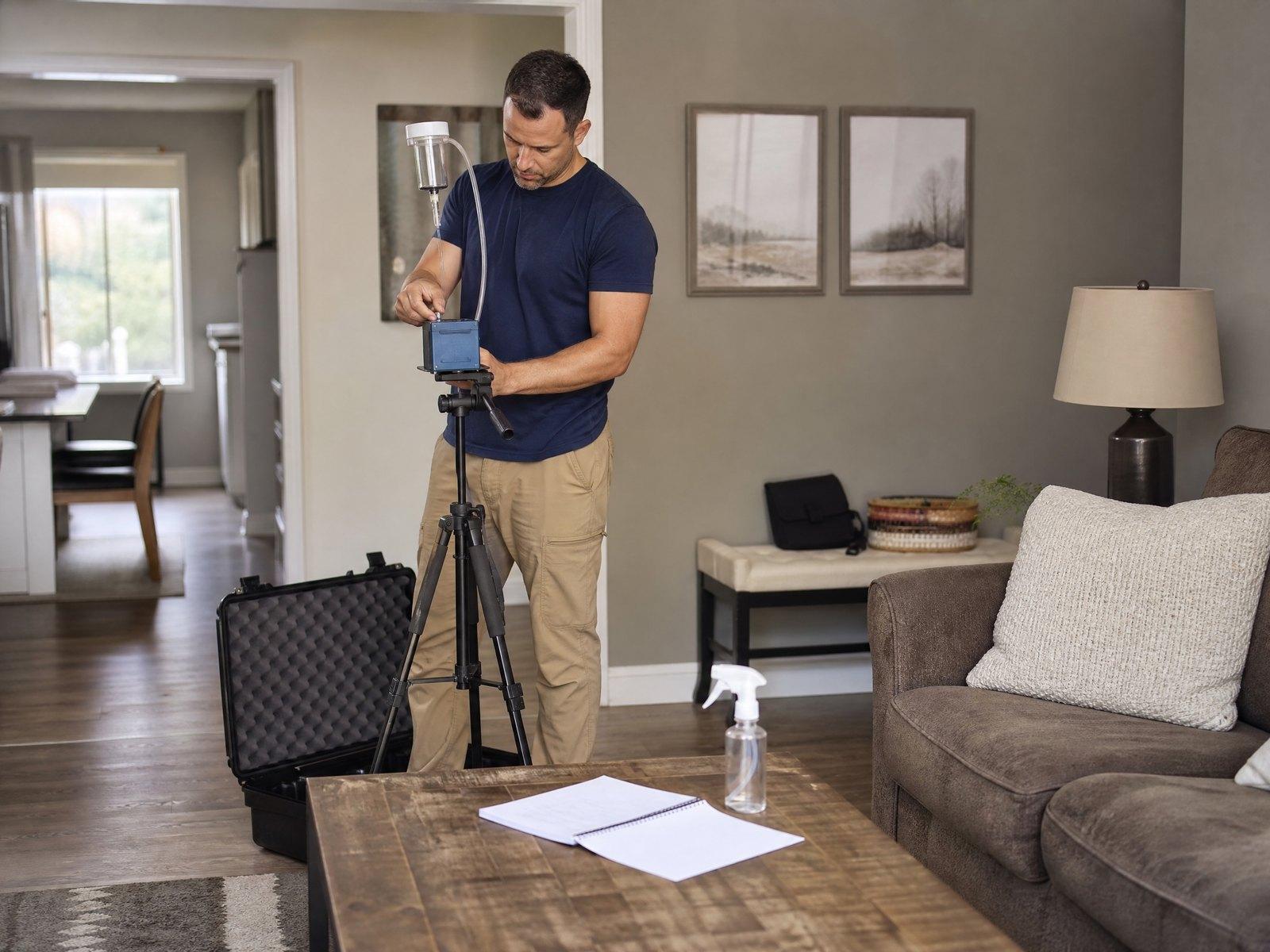
- A moisture and humidity survey, with relative humidity readings
- Dehumidifier selection, drainage and placement
- Bathroom and kitchen exhaust fans checked, sized and ducted outside
- Attic ventilation, baffles and air sealing checked
- Vapour barrier or ground cover in a crawl space, where in scope
- Downspout, gutter and grading advice
- Window condensation and cold wall checks
- A simple monitoring plan with a hygrometer
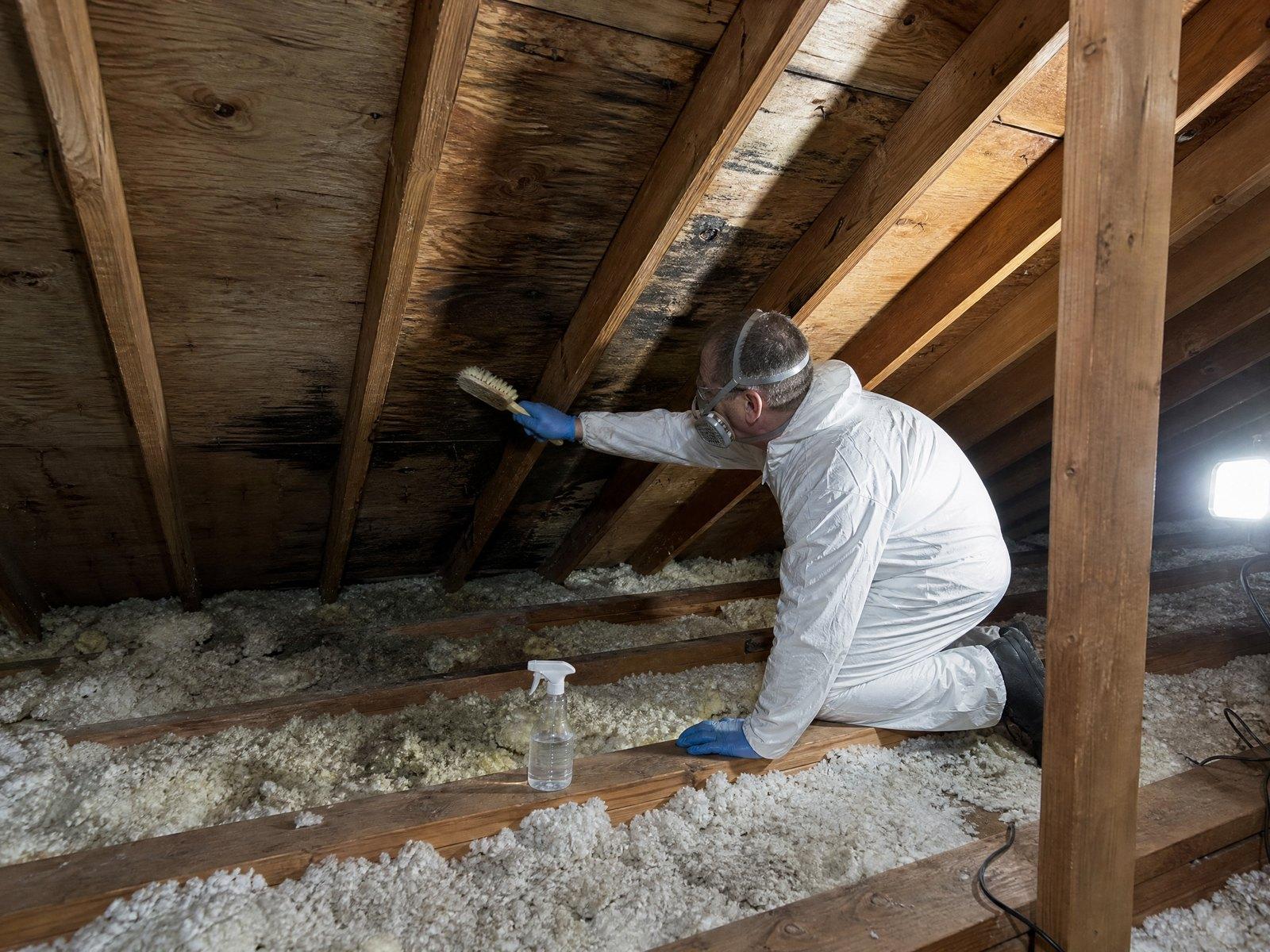
Moisture problems that bring mold back
Windows that fog or drip in cold weather
Bathroom mirrors that stay fogged long after a shower
A basement humidity reading above about 60 percent in summer
Condensation on cold water pipes and ducts
Water pooling beside the foundation after rain
A past cleanup where the cause was never fixed
How the work goes, step by step
Measure
Humidity and surface readings show where conditions favour mold.
Find the cause
Leaks, drainage, ventilation and air leakage are checked.
Choose measures
Options are listed with cost, from fans and dehumidifiers to barriers and repairs.
Install
Equipment and fixes are installed and ducts are routed outside.
Monitor
A hygrometer reading gives you a way to check the result.
What changes the price
- Cause of moisture
- A fan duct costs far less than a drainage correction.
- Equipment
- A dehumidifier sized for the space varies by capacity and drain type.
- Area
- Larger basements and crawl spaces need more capacity and material.
- Access
- Ducts through finished ceilings and tight attics take longer.
- Related repairs
- Gutters, grading and air sealing may be separate trades.
What a good quote spells out
- The moisture source named in the quote, with a matching fix
- Dehumidifier capacity stated for the size of the room, and how it drains
- Fan size and where it vents, shown in the scope
- Separate pricing for cleanup and prevention
- A target humidity range and how you will check it
Moisture Control & Prevention: questions people ask
What humidity level is best for avoiding mold?
Many guides suggest keeping indoor relative humidity below about 50 to 60 percent. A small hygrometer tells you where your home sits.
Is a dehumidifier or better ventilation the right fix?
It depends on the source. A basement with damp walls often needs a dehumidifier, while a bathroom needs a fan that vents outside.
Will sealing a house make mold worse?
A tighter house holds moisture longer unless ventilation is balanced. Air sealing in the attic helps, but bath and kitchen fans must still exhaust.
How often should a home be checked for mold?
A seasonal look at basements, attics, under sinks and window frames, plus after any leak, catches most problems early.
Other Saniclair services
Mold or a Musty Smell? Get It Looked At.
Fill out the quote form with your city and what you are seeing. A local specialist follows up to book an inspection and give you a written quote. Free to request, no obligation.
Request a free quote →