Attic Mold Removal: Cleaning the Sheathing, Fixing the Air Leaks
Mold on attic roof sheathing usually looks like dark, speckled staining on the underside of the boards, heaviest on the cold, shaded side of the roof. It almost always means warm, damp air from the living space is rising into a cold attic and condensing on the wood, rather than the roof leaking.
Describe the job and add your city. Free to request, no obligation.
The common sources are bathroom fans that vent into the attic instead of outside, kitchen hoods that do the same, gaps around ceiling lights, hatches and plumbing stacks, and soffit vents blocked by insulation. In winter that moisture freezes as frost on the nails and melts on warm days, which keeps the wood damp enough for mold.
Cleaning the sheathing is the visible part of the job. Lasting results come from air sealing the ceiling below, venting fans through the roof or a wall, and restoring airflow from soffit to ridge so the attic stays near outdoor temperature.
What the work includes
- Inspection of sheathing, rafters, insulation and vents
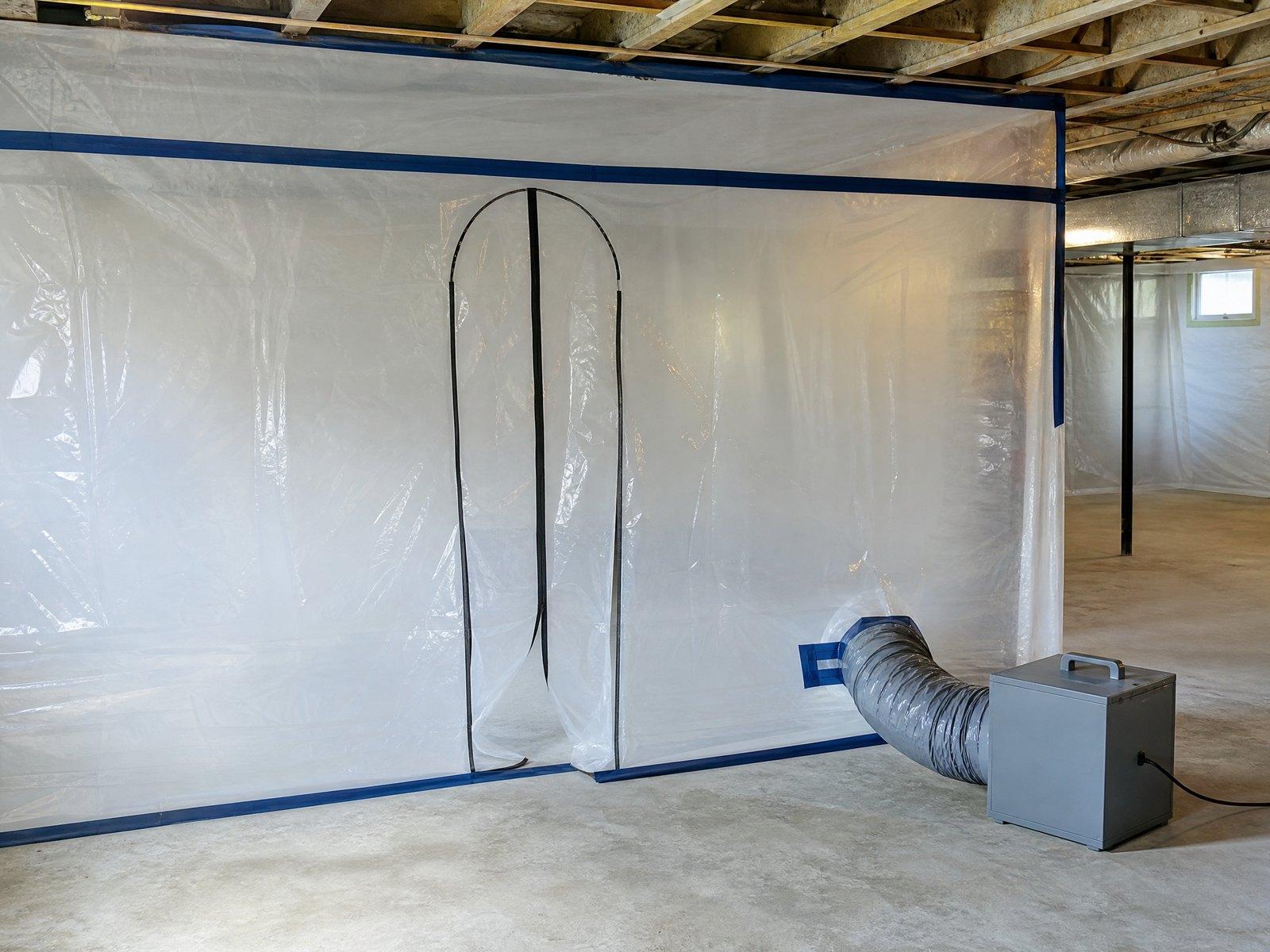
- Protective sheeting and filtered air for the work area
- Removal of wet, matted or contaminated insulation
- Cleaning of sheathing and framing by HEPA vacuum, scrubbing, sanding or blasting
- HEPA vacuuming and wipe-down of the cleaned surfaces
- Checking and clearing blocked soffit vents with baffles
- Rerouting fan ducts to vent outside, where included
- Air sealing and new insulation, listed separately
Attic clues that point to condensation and mold
Dark staining or fuzzy growth on the underside of the roof boards
Frost on the nails and rafters in winter that turns to drips when it warms up
Insulation that looks flattened, damp or discoloured
Bathroom fan ducts ending inside the attic
Ice dams or uneven snow melt on the roof
A musty smell on the top floor, or stains on ceilings near fans and lights
How the work goes, step by step
Attic inspection
Sheathing, insulation, vents and fans are examined and moisture readings are taken.
Protect the house
Hatches are sealed, floors protected and filtered air machines set up.
Clean the wood
Affected insulation comes out and the boards and rafters are cleaned and vacuumed.
Fix the cause
Ducts are rerouted, vents opened and air leaks sealed so humid air stops entering.
Re-insulate and check
Insulation is replaced, and the attic is checked again for dampness.
What changes the price
- Roof area affected
- The more sheathing is stained, the more hours of cleaning are needed.
- Attic access
- Low pitches, tight eaves and small hatches slow the work and need extra protection.
- Insulation removal
- Contaminated insulation is bagged and replaced, which adds disposal and material costs.
- Cleaning method
- Scrubbing, sanding and blasting differ in time and equipment.
- Ventilation and air sealing
- Fan ducts, baffles and sealing ceiling gaps are separate from the cleaning.
What a good quote spells out
- Which cleaning method is planned for the sheathing, and why
- Where bathroom and kitchen fans vent, and what will be changed
- Baffles at the eaves so insulation cannot block soffit vents
- What happens to the insulation: kept, dried or replaced
- A separate line for air sealing and ventilation, so the cause is not left out
Attic Mold Removal: questions people ask
Is attic mold from a roof leak?
Sometimes, but widespread dark staining on the sheathing is more often condensation from household air. A leak usually makes a localised stain near a vent, chimney or valley.
Can attic mold be cleaned without removing insulation?
If the insulation is dry and clean, it can stay. Matted, damp or contaminated batts are removed and replaced.
Why does the mold come back each winter?
Because the moisture source is still there. Until warm humid air is stopped from reaching the attic and airflow is restored, the boards keep getting wet.
Does attic mold affect the rest of the house?
Air moves between floors, so spores and odours can reach living spaces, especially through hatches, light fixtures and gaps in the ceiling.
Other Saniclair services
Mold or a Musty Smell? Get It Looked At.
Fill out the quote form with your city and what you are seeing. A local specialist follows up to book an inspection and give you a written quote. Free to request, no obligation.
Request a free quote →