Mold After Water Damage: Dry Fast, Then Remove What Cannot Be Saved
After a burst pipe, a roof leak, a sewer backup or a flooded basement, the clock starts on mold. Wet drywall, carpet, underlay and wood can begin to grow mold within a day or two if they stay damp, so drying quickly matters more than almost anything else you can do.
Describe the job and add your city. Free to request, no obligation.
The first priority is stopping the water and extracting standing water. Then air movers and dehumidifiers dry the structure, and materials that cannot be dried, such as soaked carpet padding, insulation and some drywall, are removed. If mold has already appeared, the affected area is contained and cleaned the way any other mold job would be.
If you plan an insurance claim, photograph everything before it is removed and keep receipts. A written scope that separates drying, mold removal and rebuilding is easier for an adjuster to review.
What the work includes
- Moisture mapping with meters to find hidden wet areas
- Extraction of standing water and removal of soaked materials
- Air movers and dehumidifiers set up and monitored
- Opening wall or floor cavities to allow drying
- Removal of wet drywall, insulation, padding and trim that cannot be saved
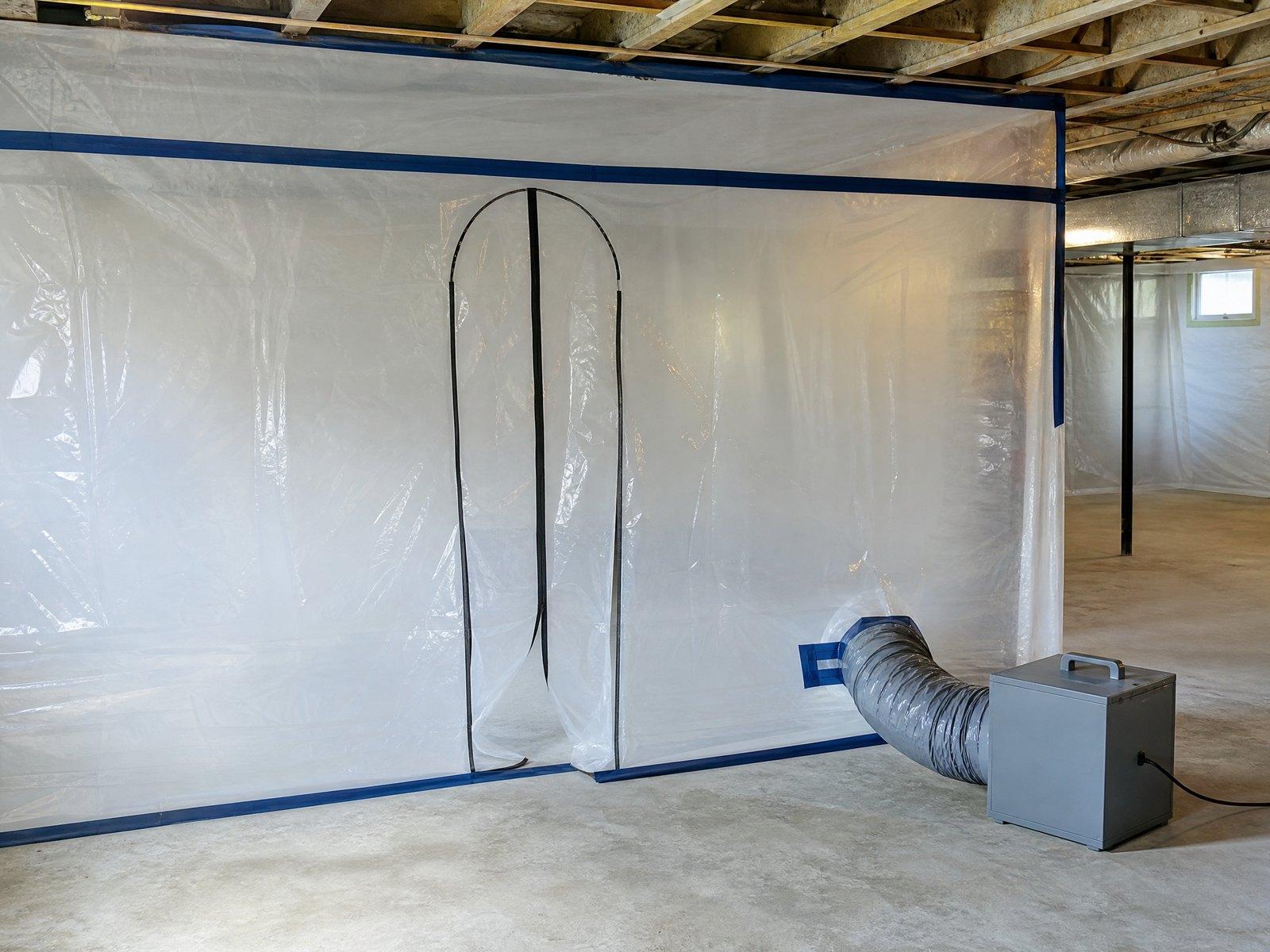
- Containment and HEPA cleaning where mold is present
- Photos and moisture logs for your records and insurer
- A written scope listing drying, removal and rebuild separately
When to treat a leak as a mold risk
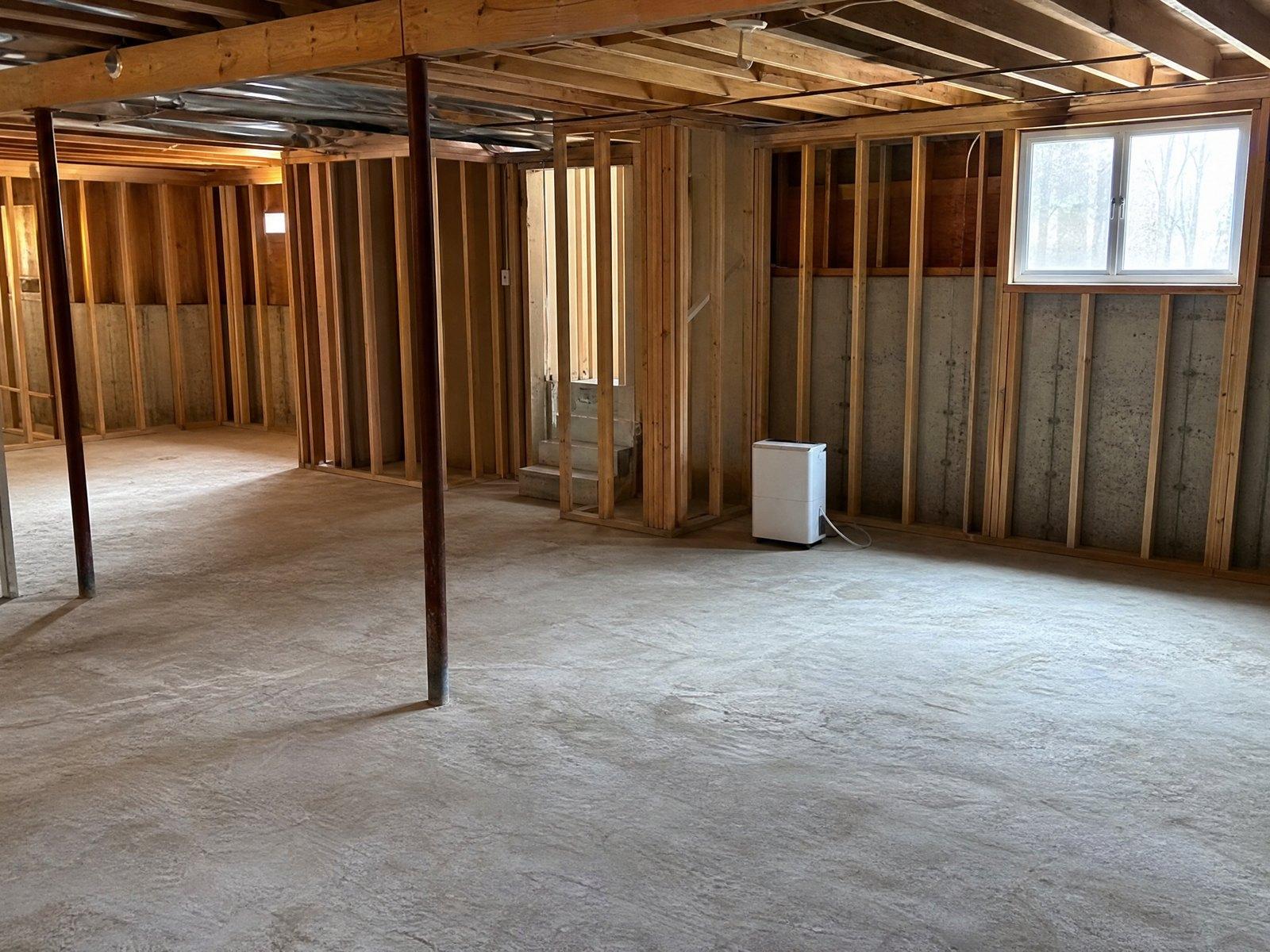
Materials stayed wet for more than a day or two
A musty smell appears days after the event
Baseboards, drywall or flooring swell, stain or cup
Sewage or contaminated water was involved
A hidden leak ran inside a wall, under flooring or behind a cabinet
A vacation or absence meant the leak was found late
How the work goes, step by step
Stop the water
Shut off the source and move belongings out of the wet area.
Document
Photograph damage for your records and the insurer before anything is discarded.
Extract and open
Standing water is removed and wall or floor sections opened where moisture hides.
Dry and monitor
Equipment runs and readings are taken each day until materials are dry.
Remove mold and rebuild
Any mold is cleaned under containment, then repairs proceed.
What changes the price
- Water category
- Clean supply-line water and sewage or floodwater differ in what must be removed and how.
- Area and materials affected
- Carpet, drywall height and subfloor size change the quantity removed.
- Time before drying started
- Delays mean more damaged materials and more mold.
- Equipment and days
- Dehumidifiers and air movers are used for several days, depending on conditions.
- Mold present
- Containment and cleaning add to the drying work.
- Rebuild
- Repairs and finishes are normally quoted separately.
What a good quote spells out
- A written scope that separates drying, mold removal and rebuilding
- Moisture readings or logs showing materials reached dry targets
- How contaminated water is handled if it came from a sewer or flood
- Photos and itemised lists that fit what an insurance adjuster needs
- A plan for monitoring the area after the equipment is removed
Mold After a Leak or Flood: questions people ask
How fast does mold grow after a flood?
It can start within a day or two on wet porous materials, which is why quick extraction and drying are urgent.
Can wet drywall be saved?
Sometimes, if it was wet briefly with clean water and dries quickly. Drywall that stayed wet, is swollen or was soaked with contaminated water is usually removed.
Will insurance cover mold cleanup?
It depends on the policy and the cause of the water. Review it with your insurer, and keep the written scope and photos.
Is a sewer backup different from a pipe leak?
Yes. Sewage and floodwater carry contaminants, so more materials are removed and cleaned more strictly than after a clean-water leak.
Other Saniclair services
Mold or a Musty Smell? Get It Looked At.
Fill out the quote form with your city and what you are seeing. A local specialist follows up to book an inspection and give you a written quote. Free to request, no obligation.
Request a free quote →